
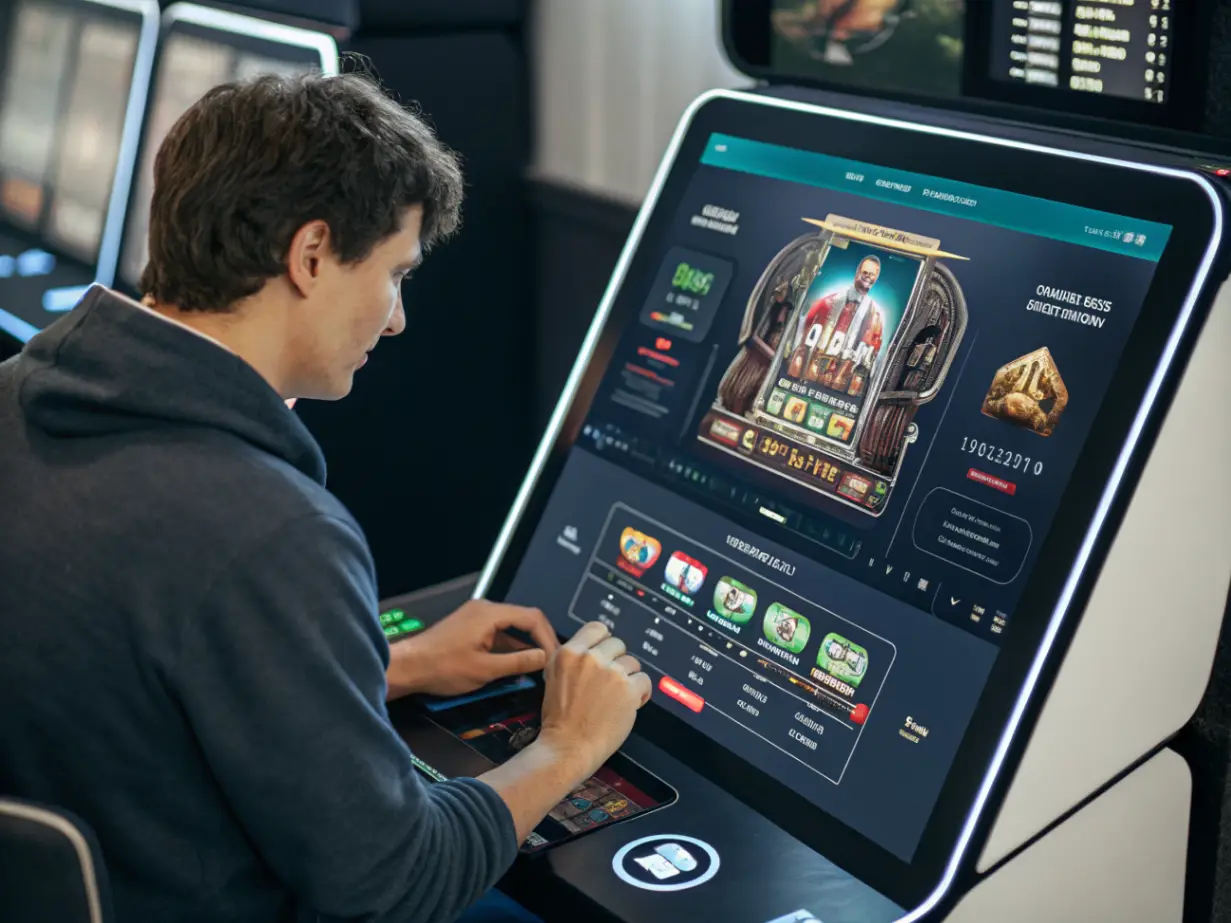
Online casino lobbies used to work like shop windows: the same banners, the same slot rows, the same bonus blocks for almost everyone. A player opened the site, saw a list of popular games, checked the promotions page, and made a choice mostly by mood, habit, or a familiar provider name. AI changes that experience by making the lobby less generic and more responsive to personal behavior.
In Riobet, personalization can be understood as the smarter connection between player preference, slot discovery, bonus timing, and risk comfort. The platform already works with different bonus types, including registration free spins, welcome deposit percentage bonuses, weekly deposit bonuses for Gold and VIP account levels, promotional free spins, cashback, birthday bonuses, and CP-related rewards. That variety gives AI more room to help: not by forcing choices, but by showing offers and games that are more relevant to the way a person actually plays.
How ai turns a crowded lobby into a personal route
A modern casino lobby can contain hundreds or thousands of titles, and for a casual player that abundance is not always convenient. More choice does not automatically mean better choice. A person may enjoy Egyptian adventure slots, medium volatility games, bonus-buy mechanics, or simple fruit slots, but without filtering and recommendation logic, those preferences get lost inside a long catalogue.
AI personalization works by reading patterns. It can notice that a player often opens video slots with cascading reels, avoids extremely high-volatility titles, returns to games with free spins, or prefers short mobile sessions in the evening. From that behavior, the system can build a softer, more useful version of the lobby: not a random list of games, but a path that feels closer to the player’s taste.
For example, a user who often plays low-stake slots with frequent small wins may be shown games with smoother hit frequency instead of aggressive jackpot titles. Another user who opens tournaments, checks leaderboards, and plays volatile slots for longer sessions may see more competition-based content and feature-rich games. A newcomer who has only tried a few demo rounds may receive safer discovery prompts, such as popular slots with clear rules and simple bonus rounds.
The key point is not that AI “knows” what someone will win. It does not. Slot results depend on game mathematics and certified random number generation. Personalization affects navigation, relevance, and timing. It can reduce the time spent scrolling, make the first session less confusing, and help players find games that match their preferred rhythm.
A useful recommendation system also avoids becoming too narrow. If it only repeats the same type of slot, the experience becomes stale. Strong personalization should include a balance between familiar games and controlled discovery. A player who likes Book of Dead-style mechanics may appreciate similar adventure slots, but also a few different titles with comparable volatility or free-spin structures. That is where AI becomes more than a simple “recently played” row.
Slot recommendations that match player intent
Slot choice is rarely just about theme. Two games can look similar but feel completely different. One may deliver frequent base-game hits and modest bonuses, while another may stay quiet for many spins and then rely on a large feature. AI can help separate visual taste from playing style.
A player may say they like “new slots,” but their behavior may show something more specific: they prefer quick-loading mobile games, medium bets, sticky wilds, and free-spin rounds that trigger often enough to keep the session active. Another player may search for “jackpot” and still leave those games quickly because the pace feels too slow. Personalization becomes useful when it recognizes these contradictions and adjusts recommendations accordingly.
A practical example is a player who often chooses mythological slots but exits when the game has complex bonus-buy menus. AI can suggest visually similar games with simpler mechanics. Another player may enjoy Megaways-style volatility but only when using small bets. The lobby can highlight those formats while keeping bankroll pressure lower by showing suitable bet-range information and responsible session prompts.
Good personalization also considers device behavior. On mobile, the best recommendation may not be the most visually complex slot. It may be a title that loads quickly, fits the screen well, has clear buttons, and works smoothly in short sessions. On desktop, where players may spend more time browsing, the system can show deeper categories, tournament games, or titles from favorite providers.
There is also a difference between “popular” and “personal.” A trending slot may be pushed across the whole casino because many players are trying it. A personalized recommendation asks a better question: is this trend relevant to this user? If a popular slot has high volatility and a player usually leaves such games after a few spins, showing it at the top may not be helpful. If the same player enjoys bonus rounds with expanding symbols, a less popular but better-matched title may be the stronger recommendation.
Bonus personalization without pressure
Bonuses are one of the areas where AI can improve the experience most noticeably, because bonuses are often misunderstood. Many players look only at the headline: free spins, cashback, deposit percentage, VIP reward, or promo code. The real value depends on the player’s habits, wagering requirements, eligible games, time limits, and whether the offer fits the bankroll.
Riobet’s bonus structure includes several different reward types, from registration free spins and welcome deposit percentage bonuses to promotional free spins, weekly deposit bonuses for Gold and VIP levels, cashback, birthday bonuses, and CP-related mechanics. This range makes personalization important because not every bonus suits every player.
A casual player who deposits occasionally and plays small stakes may benefit more from free spins or cashback than from a large deposit match with strict conditions. A regular slot player may find weekly bonuses more relevant if they already understand wagering and eligible games. A VIP-level user may value higher-frequency rewards, faster access to suitable promotions, and clearer reminders about expiring offers.
AI can help by matching bonus format to intent. It can avoid showing a high-commitment promotion to someone who usually plays short sessions. It can remind a player about free spins on a slot type they already enjoy. It can highlight cashback when the user has had a losing streak, but the tone matters: the goal should be clarity and retention, not emotional pressure.
The safest and most player-friendly personalization is transparent. A bonus recommendation should make the reason obvious: “You often play free-spin slots,” “This offer fits your current account level,” or “These spins apply to games similar to your favorites.” When recommendations feel explainable, players trust them more.
Here is how different AI-driven scenarios can work in practice.
| Player behavior | Personalized slot suggestion | Personalized bonus suggestion | Why it feels relevant |
|---|---|---|---|
| Plays short mobile sessions with small bets | Fast-loading slots with simple bonus rounds | Registration or promotional free spins | The player gets low-friction entertainment without needing a large deposit. |
| Often returns to medium-volatility adventure slots | Similar themes with free-spin features and clear paytables | Deposit percentage bonus on eligible slot categories | The offer supports a style the player already understands. |
| Joins tournaments and checks leaderboards | Volatile slots with competitive event value | Tournament-linked rewards or CP-based incentives | The recommendation fits a goal-driven playing pattern. |
| Plays regularly at Gold or VIP level | New releases from preferred providers | Weekly deposit bonuses or loyalty rewards | The system connects account status with usable benefits. |
| Has recently reduced activity | Familiar games with low commitment | Cashback or small free-spin offer | The platform can re-engage without pushing a heavy deposit. |
The table shows why personalization should be treated as matching, not persuasion. A bonus becomes more useful when it supports a player’s normal rhythm. A slot recommendation becomes better when it respects preferences, session length, bankroll comfort, and game complexity.
Examples of smarter player journeys
Imagine a new Riobet user who registers, receives free spins, and starts with a popular slot. After a few rounds, the player opens several games with expanding symbols and leaves jackpot slots quickly. A basic lobby would continue showing the same top games to everyone. A personalized lobby can adjust: it may show free-spin slots with clear mechanics, recommend demo play where available, and place similar themes near the top.
Now consider a regular player who enjoys medium-volatility games after work. This person usually plays for twenty minutes, avoids tournaments, and rarely checks VIP pages. AI can simplify the route by showing familiar providers, recently played titles, and bonuses that do not require long sessions. A weekly deposit offer may be relevant only if it is easy to understand and connected to eligible games the player already uses.
Another example is a tournament-focused player. This user checks standings, plays longer sessions, and likes games with big swings. Personalization can highlight event-eligible slots, display progress clearly, and recommend bonuses that support tournament participation. The experience becomes more coherent because the lobby, promotions, and game selection all point in the same direction.
A returning player after a break needs a different approach. Too many banners can feel noisy. AI can show a calm re-entry path: a familiar slot, a modest free-spin promotion, and a reminder of current bonus balance or loyalty status. The goal is to make the account feel easy to resume, not overloaded.
Personalization also helps when the player’s taste changes. Someone who used to play classic slots may start exploring modern video slots. A rigid system would keep showing old favorites. A better system notices the shift and gradually expands recommendations. It can keep a few familiar titles while introducing newer games with similar bet ranges or bonus logic.
The most effective examples share one quality: they reduce friction. The player does not need to search through every category, compare every bonus manually, or remember which offer applies to which slot. AI can organize the experience so the next reasonable step is easier to see.
What makes ai personalization feel fair
Casino personalization has to be handled carefully. A useful system respects the player’s autonomy. A bad one can feel pushy, repetitive, or too focused on deposits. The difference lies in how recommendations are designed.
Fair personalization should support informed choice. It should help players understand why a slot or bonus appears. It should also avoid exploiting frustration, especially after losses. For example, showing cashback information after an unlucky session can be helpful, but repeatedly pushing bigger deposit offers at that moment would feel unhealthy.
Responsible AI also needs boundaries. A player who lowers deposit frequency, shortens sessions, or uses account limits should not be treated simply as someone to “reactivate” aggressively. Those signals may indicate a preference for lighter play. Good personalization can respond by showing lower-commitment content, clearer limits, or non-deposit-based options.
Useful personalization in a casino environment should follow several practical rules:
• Recommendations should explain their logic in simple language.
• Bonus offers should show conditions clearly before activation.
• Slot suggestions should include variety, not only repeated favorites.
• Players should be able to ignore, close, or change recommendations.
• Responsible gambling signals should be treated as safety information, not marketing data.
These principles make the experience feel more human. Players are more likely to trust AI when it behaves like a helpful guide rather than a sales engine. In a casino, that distinction matters more than in many other digital products because money, attention, and emotion are involved.
Fairness also depends on data minimization. The platform does not need to overpersonalize every detail. It is enough to understand broad preferences: game type, volatility comfort, bonus usage, session length, and account level. The best AI systems often feel subtle. They make the lobby easier without making the player feel watched.
The future of personalized slots and bonuses
The next stage of casino personalization will likely be less about flashy AI labels and more about invisible convenience. Players will not necessarily care whether a recommendation comes from machine learning, segmentation, or rule-based logic. They will care whether the lobby feels relevant, whether bonuses are easy to understand, and whether the experience respects their time.
For Riobet, the strongest opportunity is connecting three layers: game discovery, bonus suitability, and loyalty progression. A player should be able to move naturally from a favorite slot category to a relevant promotion, then to a clear view of rewards or account status. When these layers are disconnected, the casino feels busy. When they are connected intelligently, the experience feels personal.
AI can also improve content timing. A birthday bonus is most meaningful when it is visible at the right moment. Cashback is more useful when it is explained clearly after eligible activity. Weekly bonuses for Gold and VIP levels make more sense when they are placed where qualified players can actually see and compare them. Promotional free spins become stronger when they are attached to games the player is likely to enjoy, rather than random titles.
The long-term value of AI is not only higher engagement. It is better matching. A player who finds suitable slots quickly may have a more relaxed session. A player who receives a bonus that fits their normal deposit size is less likely to misunderstand its value. A player who sees clear conditions before activation can make a calmer decision.
This is where personalization becomes genuinely useful. It does not need to promise luck, special outcomes, or guaranteed value. It simply helps the player navigate a large entertainment space with less noise.
Conclusion
AI in Riobet changes the choice of slots and bonuses by making the casino experience more relevant, more readable, and more connected to personal habits. The strongest personalization does not shout. It quietly brings better-matched games forward, connects bonuses to real playing patterns, and helps different types of users avoid unnecessary scrolling and confusion.
The examples show that one player may need simple free-spin slots, another may prefer tournament-linked games, and another may benefit from loyalty-based offers. The same casino can feel different for each of them without changing the basic rules of the games. That is the real power of AI personalization: it does not replace choice, but makes choice easier.
For players, the best approach is still balanced and informed. A personalized slot can match taste, but it cannot change randomness. A personalized bonus can improve convenience, but its conditions still matter. When AI is used responsibly, it turns Riobet from a general lobby into a more personal entertainment route where slots, bonuses, and account rewards feel better aligned with the way people actually play.